The digital transformation is reshaping economies and societies worldwide, but not everyone benefits equally. Women remain significantly underrepresented in the tech sector. In Togo, the ProDigiT project shows how this can be changed: It specifically supports women and opens pathways to digital careers and self-employment, whilst strengthening the economy.
In Sub-Saharan Africa, including Togo, only about 23 to 30 per cent of IT professionals are women. The reasons include a lack of training opportunities, societal expectations, and missing role models. ProDigiT addresses these challenges by working together with Togo’s Ministry of Digital Transformation (MESPTN) and the national digital agency (Agence Togo Digital, ATD) to improve women’s access to the digital economy through workshops, training programmes, and partnerships with companies.
Ready for the digital future: skills that really matter
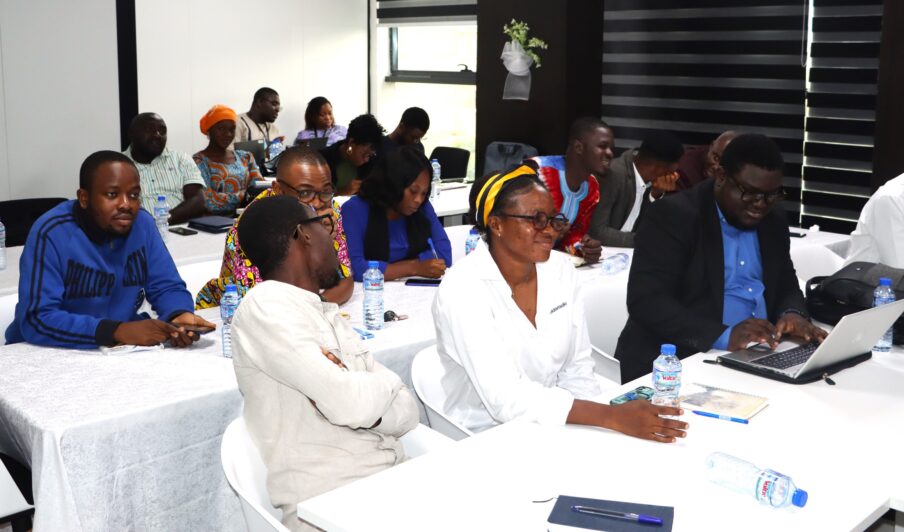
Through training sessions and workshops, participants learn the basics of digital technology, strengthening their data literacy, and gaining knowledge on future-oriented topics such as cybersecurity. At the same time, relevant soft skills, such as self-confidence, leadership, and negotiation skills, are fostered.
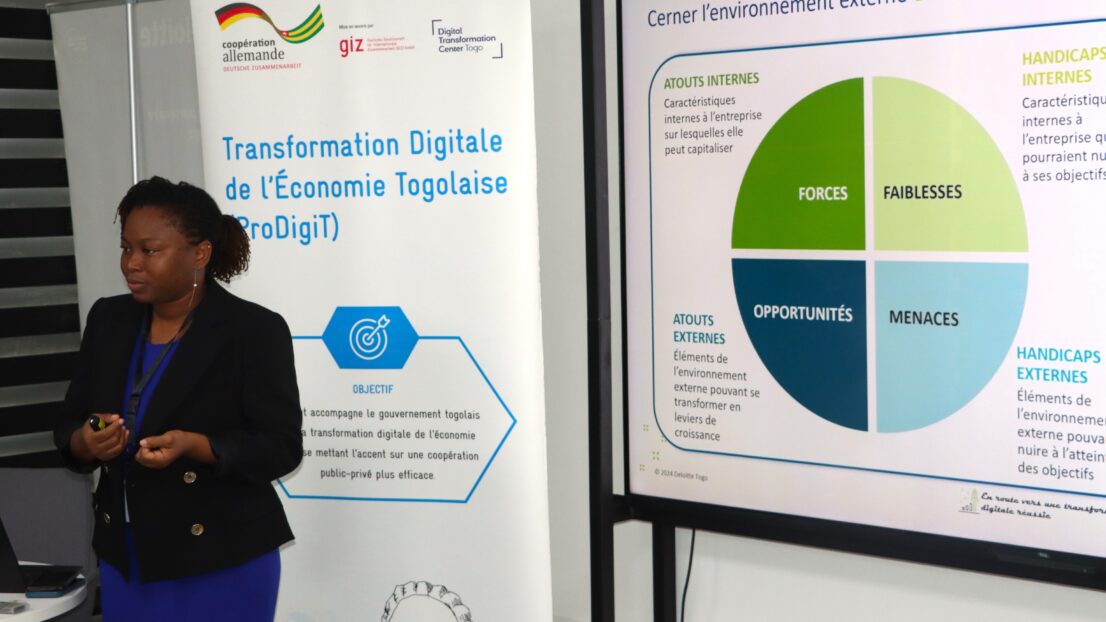
One advantage of the project is its consistent focus on inclusion from the very beginning. Women participate in shaping the programmes and contribute their perspectives. In this way, everyday barriers are identified early on and addressed in a targeted manner—for example, through hybrid learning options and flexible course schedules that allow for participation despite family or professional commitment. Content-wise, the programme focuses on industries where women are already active or that are experiencing particularly strong growth, such as e-commerce.
ProDigiT: Three pillars of action
Capacity building for women in digital skills
Support for women-led tech startups and MSMEs
Public–private collaboration to create real opportunities
From theory to practice: real-world experience in the digital job market
To facilitate a smooth transition into the workforce for women, the project works closely with companies, women’s organisations, and public partner organisations. One example is the collaboration with Togo DataLab, where participants complete internships in data analysis or web development.
This practical focus also shapes other formats, such as innovation competitions, in which participants develop their own ideas into prototypes. In this way, they apply their knowledge directly, gain insight into everyday work life, and establish contacts with potential employers.
This programme didn’t just teach me technical skills, it gave me confidence and a professional network that I didn’t have before.
Participant, Project ProDigiT
In addition to supporting people in finding employee positions, ProDigiT also opens up pathways to self-employment. The project specifically supports women in launching tech startups or small and medium-sized enterprises. Mentoring, consulting on corporate development, and increased visibility help turn ideas into viable businesses.
The support I received helped me move from an idea to a structured business. Being taken seriously as a woman founder makes all the difference.
Entrepreneur from Kara, Togo, and a participant in the ProDigiT project
Strengthening women means strengthening the economy
The experience in Togo shows that digital inclusion does not happen on its own, it must be actively shaped. It is crucial to involve women from the very beginning, combine technical and personal skills in an effective way, and open up concrete pathways to the labour market or self-employment. This creates opportunities that truly align with the participants’ real-life circumstances.
This is about more than just individual opportunities. When more women acquire digital skills and enter digital professions, it not only increases the pool of skilled workers, but also benefits the economy. More diverse teams with varied perspectives are better at identifying what people truly need and developing products and services that better meet their needs. This strengthens innovation and promotes sustainable growth in the digital economy. In this way, participation becomes a real game changer.