On May 1st workers and citizens around the world take to the streets to stand up for their rights. The International Labour Day traces its origins to the protests of organised factory workers during the era of industrialisation. Today, however, the nature of work has changed profoundly: many forms of labour now take place on screens, often remain invisible, are globally networked, and prove difficult to grasp in legal terms.
Millions of people now earn a living through digital platforms rather than traditional employers. Tasks, interactions, and employment relationships have shifted online, connecting workers and clients across borders in what is effectively a global labour market. Whether it is food delivery, cleaning services, or the often unseen clickwork behind artificial intelligence (AI), human labour forms the backbone of these digital value chains.
Yet their status remains unclear. They fall between employee and self-employed categories, often without clear rights or protections. This ambiguity is testing labour frameworks worldwide and frequently results in low pay, insecurity, and exposure to risk. Unlike earlier labour movements rooted in shared workplaces such as factories or mines, these workers are dispersed, managed at a distance, and harder to organise. As digitalisation continues to outpace regulation, the gap between how work is done and how it is protected is becoming harder to ignore.
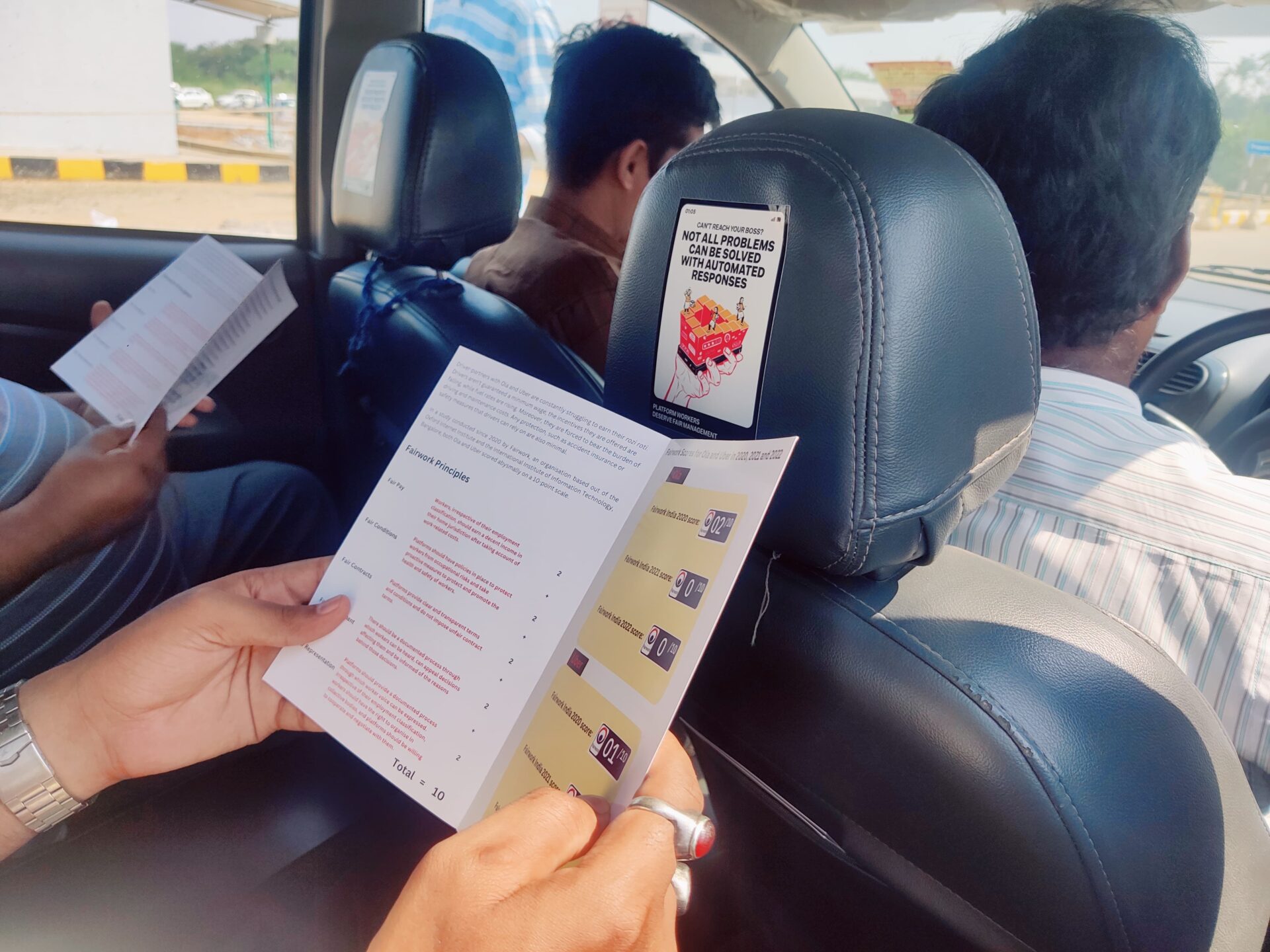
One of the key players leading research to address the needs of these workers is Fairwork. Launched by the Oxford Internet Institute and the WZB Berlin Social Science Center in 2018 with support from the German Federal Ministry for Economic Cooperation and Development (BMZ) and from 2021 onwards in a close partnership with the Gig Economy Initiative, the institute became a key partner of German development cooperation on topics of digital and platform work. Through its ratings, research, and engagement with platforms and policymakers, Fairwork has influenced working conditions across the digital economy, affecting an estimated 16 million workers globally—roughly equivalent to the population of the Netherlands.
In eight years, Fairwork researchers have produced nearly 900 company ratings across more than 40 countries, consulted more than 8,300 workers, and supported over 440 pro-worker policy changes across almost 90 digital platforms. Worker interviews gave voice to platform worker experiences of pay, working time, algorithmic management, and risk. This was complemented by direct engagement with companies to implement improvements and align with standards.
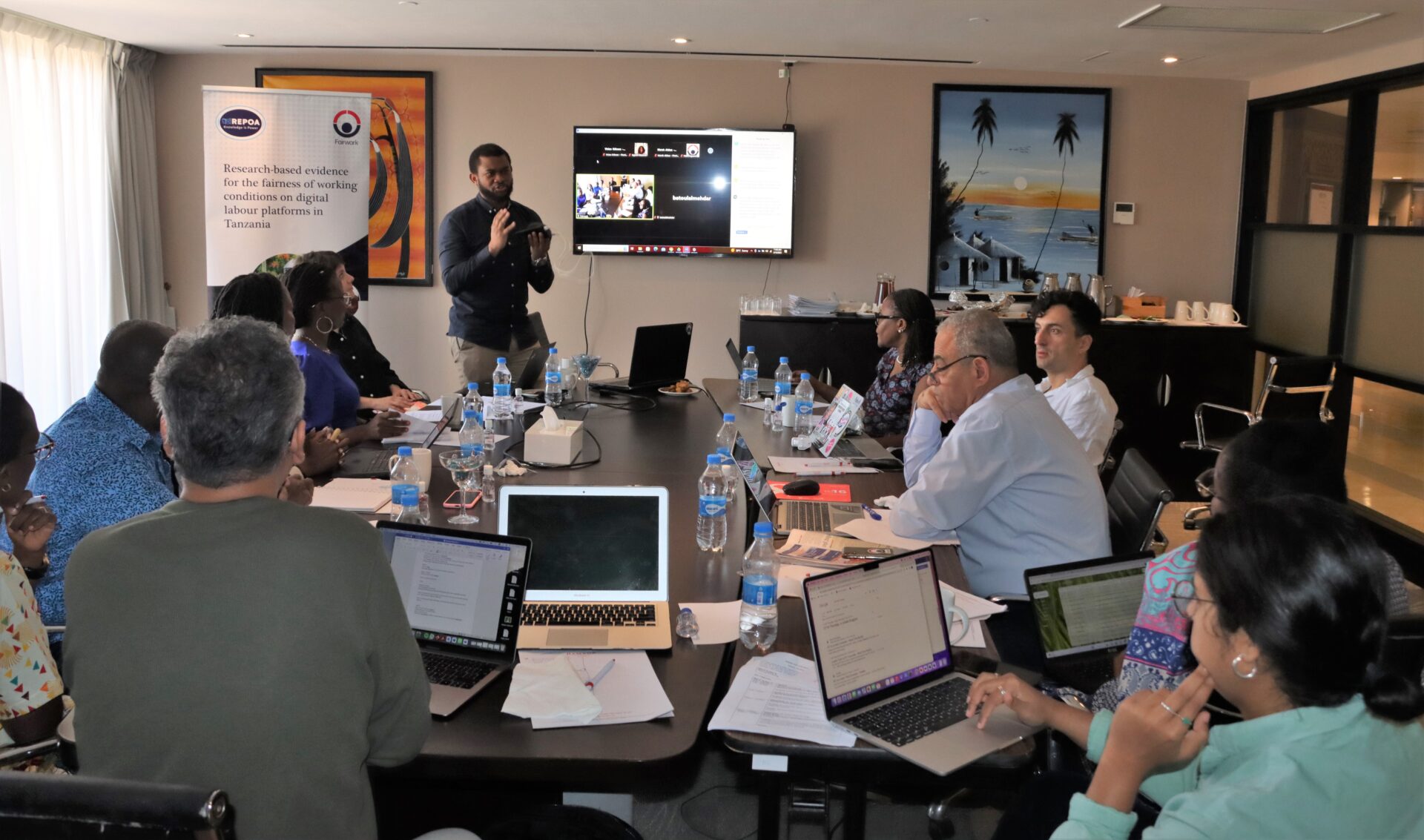
Beyond platform labour itself, Fairwork also shapes policy processes. Its research findings have informed, among other things, the UK’s Digital Strategy (2024–2030), the ASEAN Employment Outlook, and, most recently, a parliamentary hearing in Germany on the working conditions of data workers. Country studies have also provided important impulses for legal debates in India, Kenya, Brazil, Germany, and the United States. In this sense, Fairwork stands as an example of a new form of international cooperation. Its partnership with BMZ and Deutsche Gesellschaft für Internationale Zusammenarbeit (GIZ) demonstrates how research and development policy can work together to improve global labour standards. It serves as a blueprint for how modern development cooperation can achieve systemic impact.
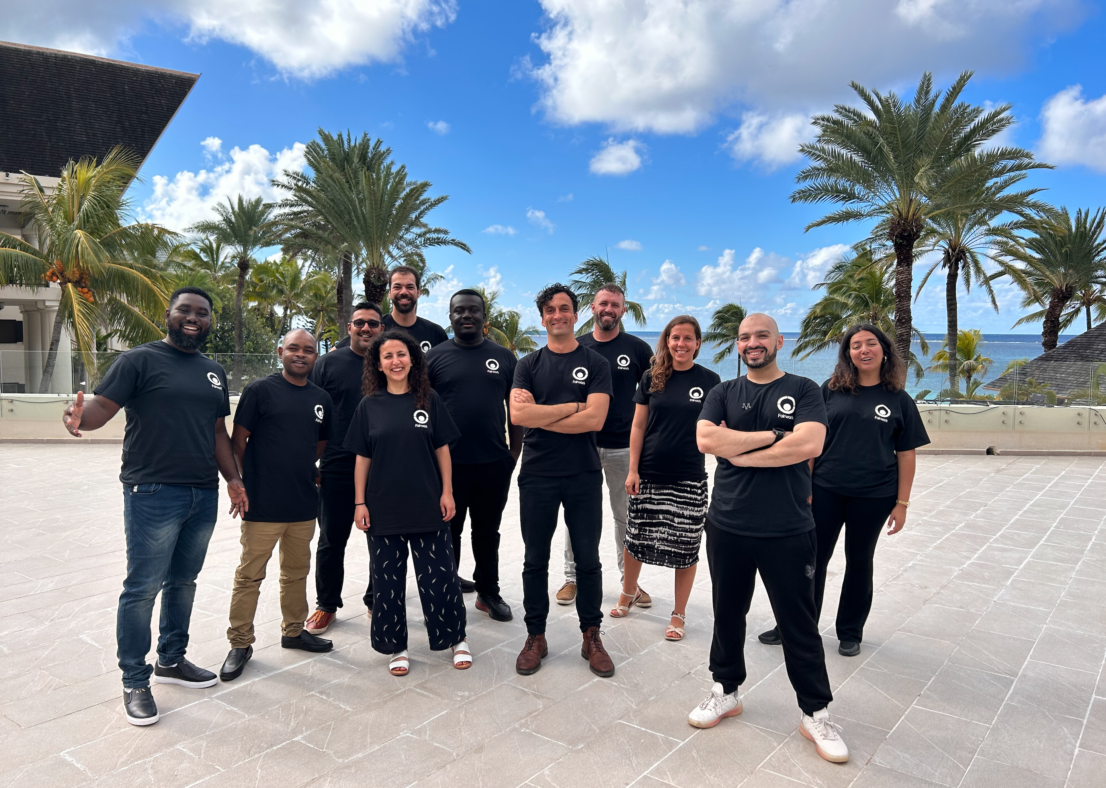
More than 150 years ago, workers on the assembly lines of industrialisation fought for their rights. Today, the world once again stands at a turning point—this time shaped by digital technologies. The central question remains the same: how can we ensure that work is fair, safe, and dignified?
The experience of Fairwork suggests that without robust data, international cooperation, and a clear commitment to human rights, this question will remain unanswered. Through such partnerships, there is, however, a real opportunity to shape the digital transformation in socially just ways. For the benefit of all workers.