Dry fields, declining yields, and limited data: in Senegal, millions of people face an uncertain future. At a mapathon held at USSEIN University, GeoAI is offering a new perspective on degraded soils and providing a basis for better decision-making on the ground.
The challenge in Senegal is significant: more than 17 per cent of the country’s land is degraded. Soils are losing their ability to retain water and nutrients or are so severely eroded that they are barely usable for agriculture. More than 2.4 million people are affected, particularly in rural areas where farming and livestock are the main sources of livelihoods and food security. At the same time, communities often lack up-to-date and usable data with which to respond effectively.
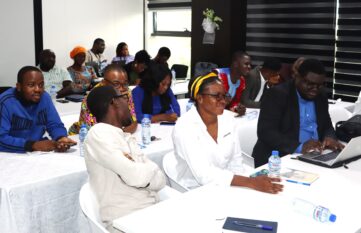
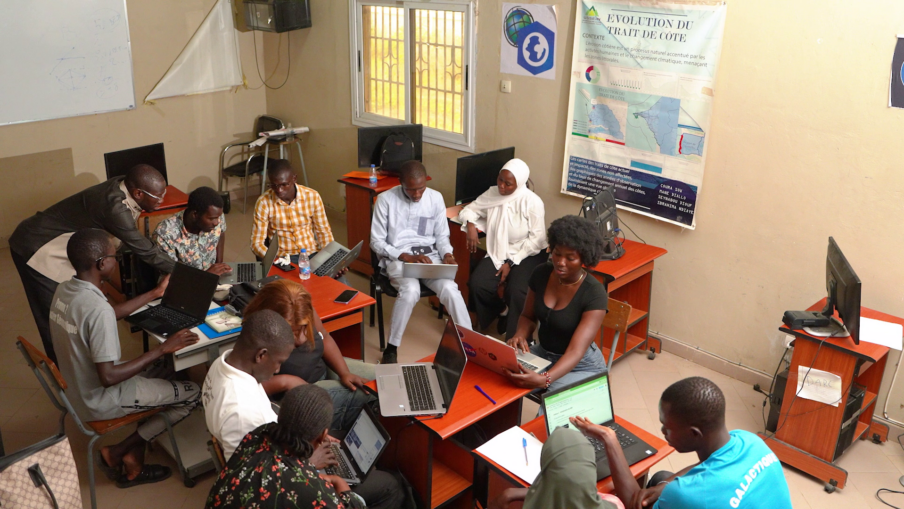
To address this, the Seen Suuf II project collaborated with the Digital Transformation Center (DTC) Senegal to organise a three-day mapathon at USSEIN University. The aim was to equip students with digital skills while generating practical maps on soil conditions.
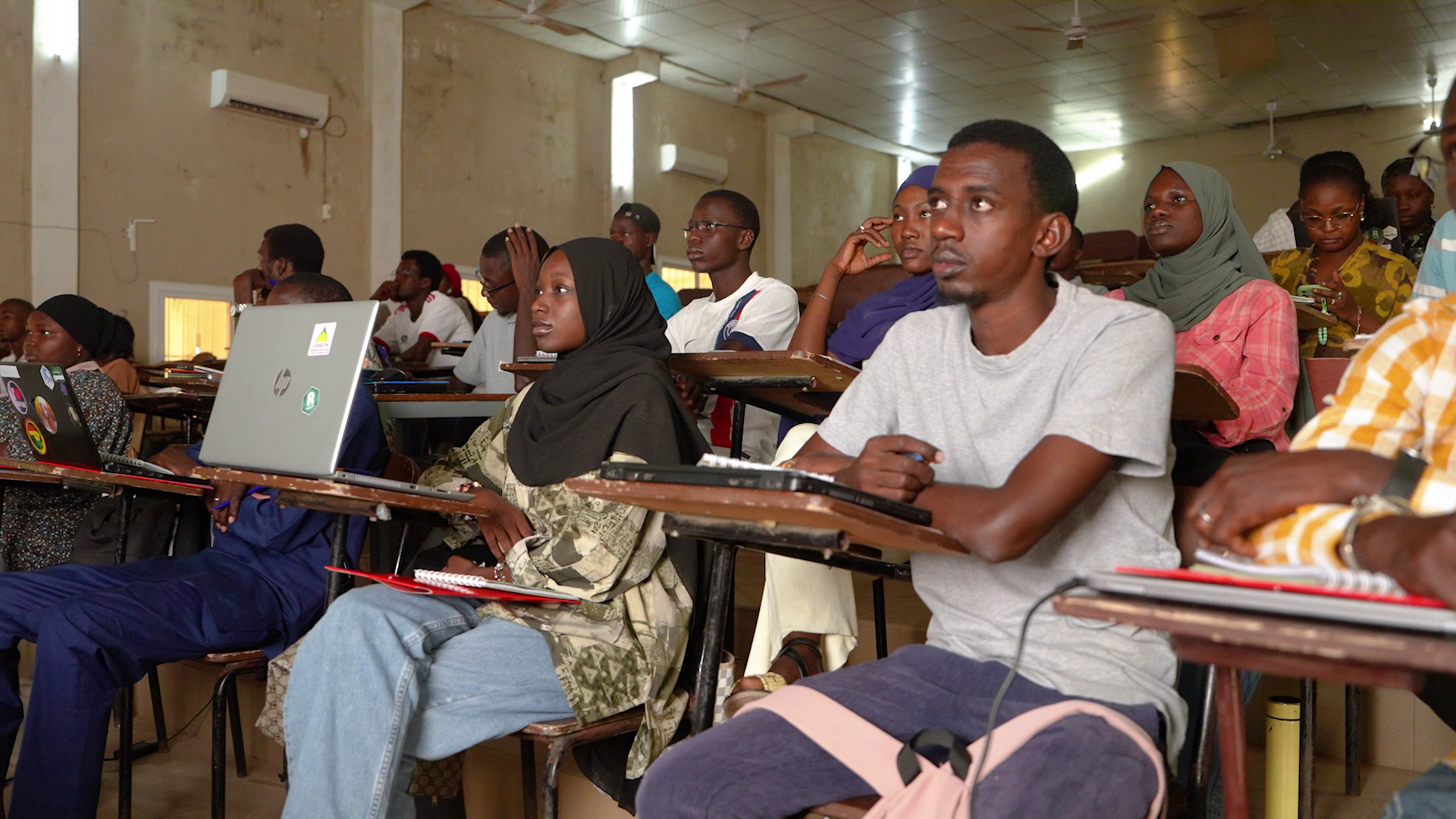
Using GeoAI and remote sensing data, 30 students worked on real-world cases alongside representatives from the regions of Kaolack and Kaffrine. They analysed satellite imagery and open geodata to identify areas most affected by soil salinisation and erosion, and to highlight where adaptation measures could have the greatest impact. The results were shared directly with the local authorities in Kaolack and Kaffrine. These are now being used to plan targeted measures, such as soil restoration or the adaptation of agricultural practices.
The mapathon shows the potential of combining digital tools and local knowledge: data is transformed into digital maps that inform climate adaptation decisions. At the same time, students gain practical skills that they can apply in future roles in public administration, research, or the private sector.
Mapathon at USSEIN University
You are currently viewing a placeholder content from YouTube. To access the actual content, click the button below. Please note that doing so will share data with third-party providers.
More Information