Global fashion brands are facing growing pressure to make their supply chains more climate-friendly. As a result, they are increasingly asking suppliers to provide data on energy consumption, greenhouse gas emissions, and progress towards decarbonisation. For many small and medium-sized textile enterprises in Vietnam, meeting these requirements remains a significant challenge.
Many companies lack the necessary data systems, technical expertise, or staff capacity to systematically track emissions. What has become standard practice for large corporations can quickly turn into a barrier to market access for smaller businesses. This is where the Twin Transition Hub Vietnam stepped in. Between December 2025 and January 2026, GIZ delivered a series of online training sessions designed to help Vietnamese small and medium-sized (SMEs) textile enterprises better understand their energy consumption and emissions while building the foundations for systematic emissions management. At the heart of the programme was a simple but crucial question: How can companies collect the data they need to meet the sustainability requirements of international buyers?
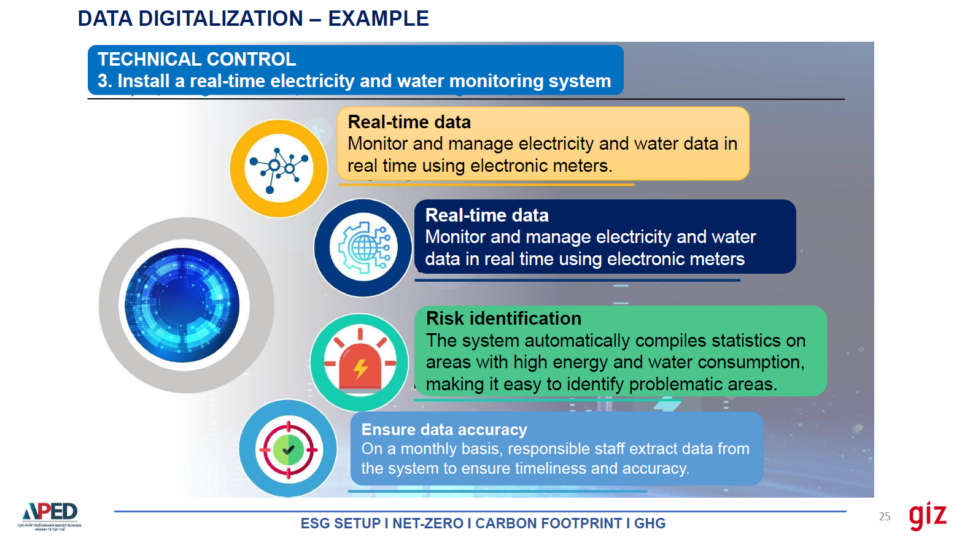
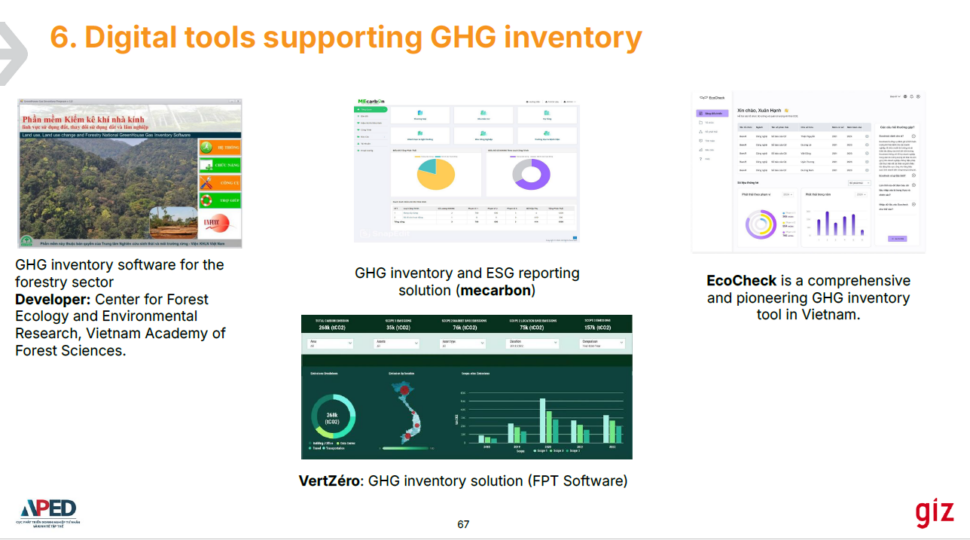
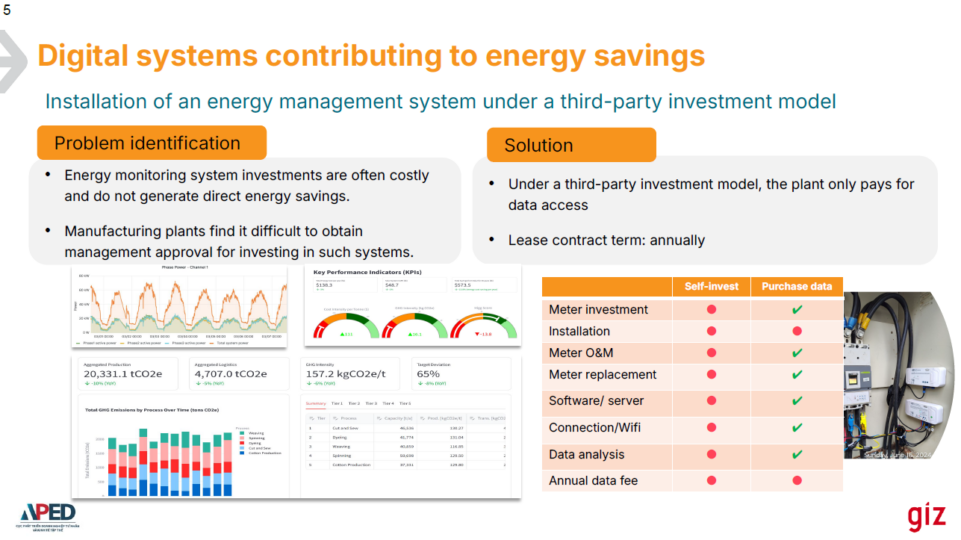
Participants learned how to document energy use, identify relevant emission sources, and establish basic monitoring systems. For many companies, this marked a first step towards managing production processes through data-driven decision-making. Better data not only helps businesses meet customer requirements more easily. It also provides valuable insights into where energy is consumed and where efficiency gains can be achieved.
The training sessions also highlighted the close connection between digital transformation and sustainability. Digital data collection creates the transparency needed to understand energy consumption and emissions. At the same time, it enables companies to use resources more effectively and gradually improve operational efficiency.
The project demonstrates a key principle of the twin transition: digital solutions can help SMEs not only meet sustainability requirements but also turn them into business opportunities. For Vietnam’s textile SMEs, this represents an important step towards strengthening their long-term competitiveness in international supply chains.