Data against drought: West Kenya’s new local weather stations
Inaccurate weather forecasts are jeopardizing the harvests of thousands of small farmers in western Kenya. IMARIKA Weatherwise—a new local weather station network—provides accurate data and makes it possible to plan climate-friendly decisions in the field.
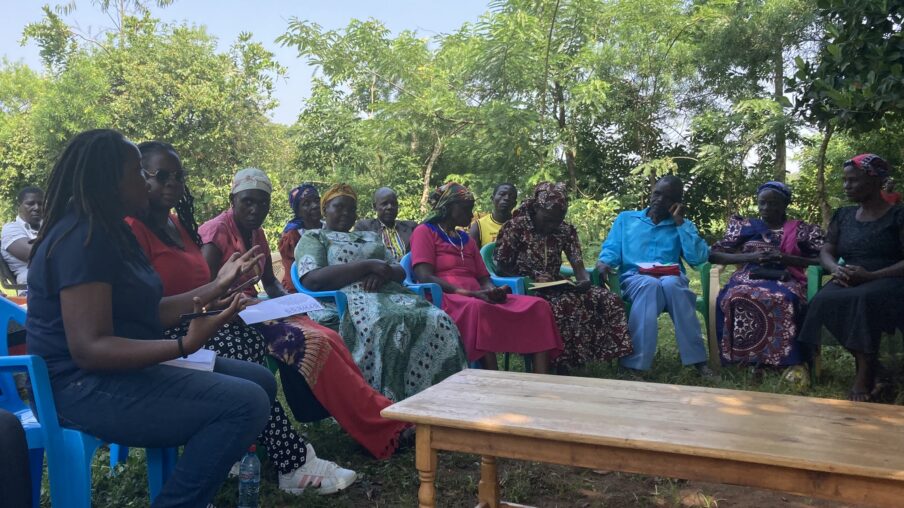
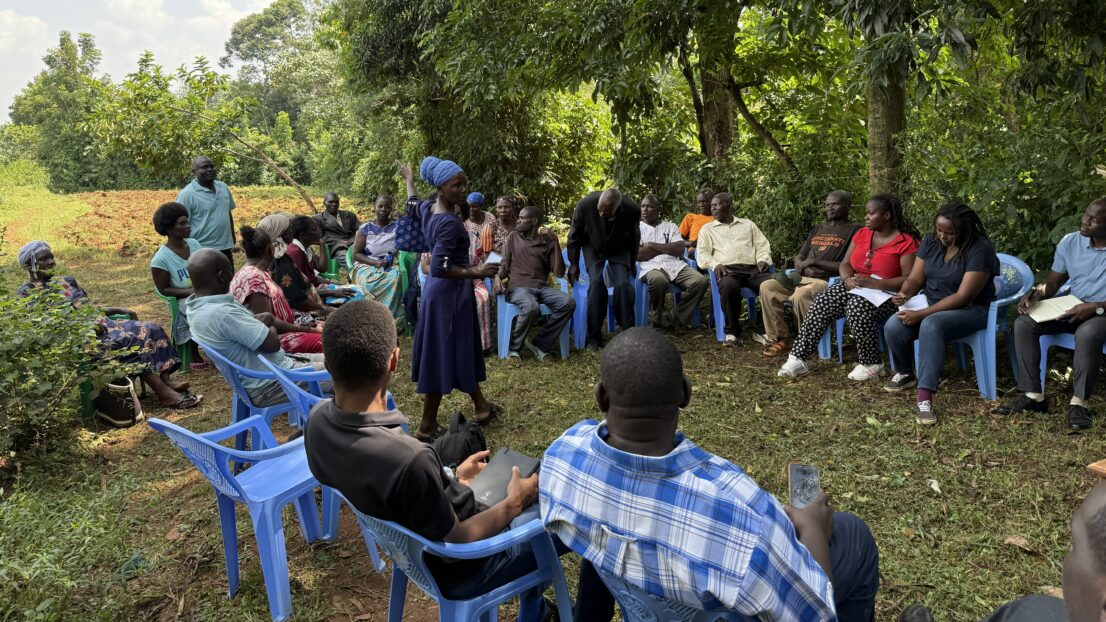
Many small farmers in western Kenya live in great uncertainty. Weather forecasts are an important basis for decision-making, but they often cover hundreds of kilometers and offer only limited orientation for specific fields. According to agricultural officer Gillian Elugulu, what is needed most to better adapt cultivation decisions to climatic fluctuations is reliable, local information.
A new approach to local weather information
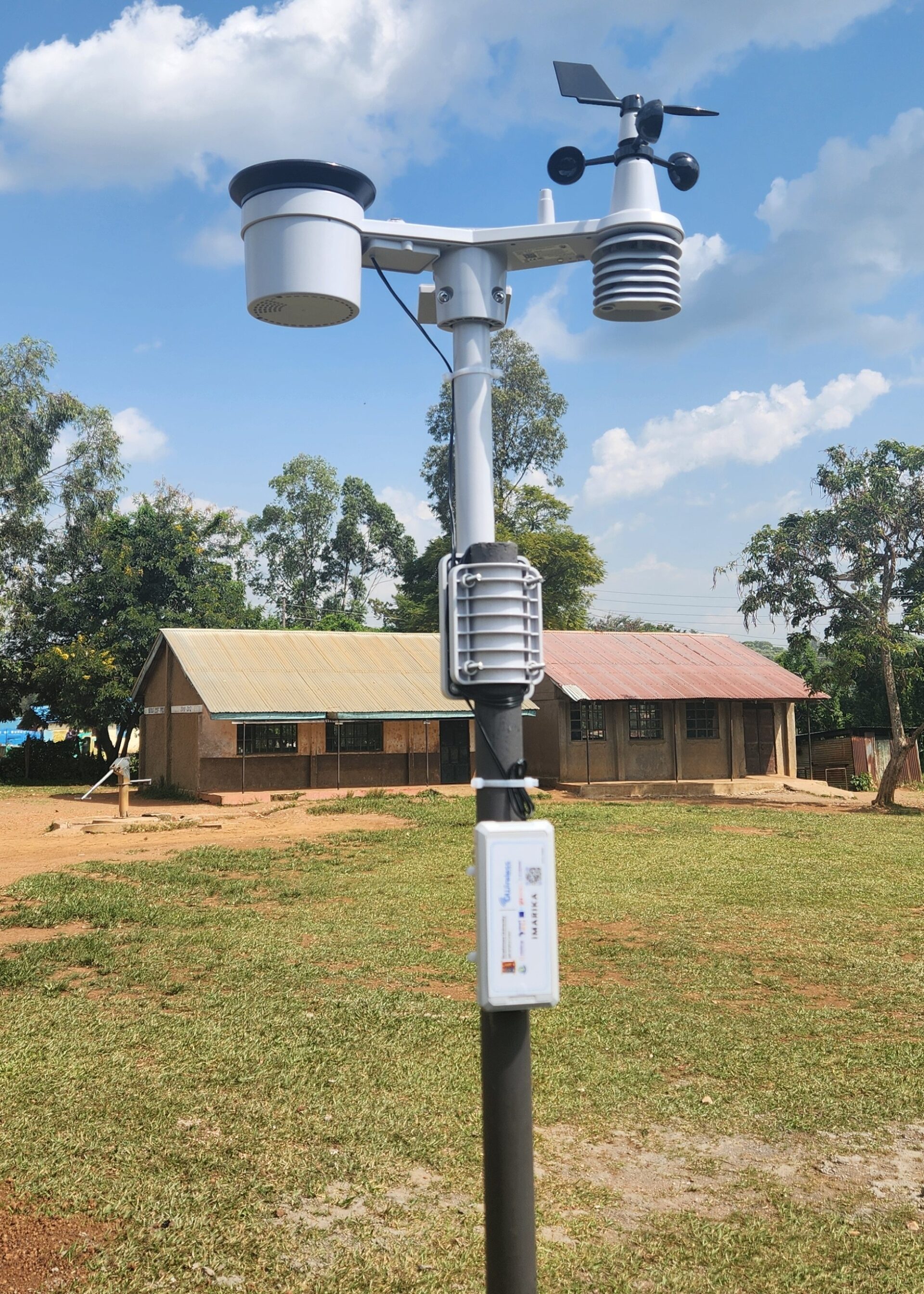
IMARIKA Weatherwise closes precisely this gap: instead of large-scale forecasts, the system provides accurate, local weather data for individual crop areas. The network of low-cost, automatic weather stations was developed by the iLabAfrica Center of Excellence at Strathmore University – specifically for the needs of smallholder agriculture.
In the subdistricts of Nambale and Butula, 25 stations record local weather variations that had previously remained invisible. These data are used to generate forecasts that reflect actual conditions in the field, rather than regional averages. To ensure secure locations with reliable power supplies, the stations are operated in schools in cooperation with local communities. This allows the network to continue functioning even during storms and to deliver regular measurements.
IMARIKA is about democratizing access to accurate local weather information. We are building the infrastructure that gives smallholder farmers access to more precision agriculture.
Dr. Betsy Muriithi, Project Manager
From Data To Decisions On The Ground
The local measurement data enables agricultural advisory services to provide location-specific recommendations. The data is shared via farmers’ associations or other existing digital advisory services. But what really matters is turning this info into action.
The IMARIKA team responds to these questions with recommendations based on locally measured weather data. This strengthens farmers’ confidence and personal responsibility.
A Model For Scaling Climate-Smart Innovation
About IMARIKA
In 2024, the Smart Africa Secretariat, the BMZ initiative FAIR Forward – Artificial Intelligence for All, Climate Change AI, and Intellecap, with support from AfriClimate AI, launched the Innovate Africa Challenge (IAC) “AI for Climate Action.” IMARIKA won the competition and received €50,000 for pilot implementation. This success led to further initiatives, including civilian drones and AI for climate-resilient agriculture.
IMARIKA shows that climate information is effective when communities, innovation actors, and policymakers work together. Local, real-time weather data enables reliable planning, crop preservation, and improved food security.