Behind the Algorithms: New Report Series on Human Labour Powering AI

AI is powered by data, but it runs on human labour. From data work to content moderation, digital workers perform critical tasks. However, their working conditions are often overlooked. A new report series explores the realities of such forms of digital labour in the Global South and what can be done to establish fairer working practices.
As artificial intelligence (AI) and digital systems expand rapidly, there is an increasing need for human labour behind the machines. Data work and content moderation are essential for training and maintaining AI models, social media platforms, and other digital services, such as autonomous vehicles. By 2030, the global market for these services is projected to exceed USD 57 billion for data labelling and USD 22 billion for content moderation.
Despite their importance, many of the workers performing these tasks face precarious conditions. Data workers and content moderators often work under short-term or informal contracts that lack social protection. They earn very low salaries and experience high levels of algorithmic surveillance and performance pressure. Content moderators are exposed to large volumes of graphic and violent material, which can lead to serious mental health issues such as anxiety, depression, secondary trauma, and long-term social withdrawal.
In order to gain a better understanding of the sectors’ labour challenges, potential for coordinated action to improve working conditions, Aapti Institute and the Gig Economy Initiative have collaborated on the report and consultation series ‘Exploring AI Labour in the Global South’.
The series, examines the problems faced by digital labour supporting sectors like AI and social media. The discussions cover Africa, Southeast Asia, and South Asia, convening stakeholders like labour representatives, academics, and journalists.

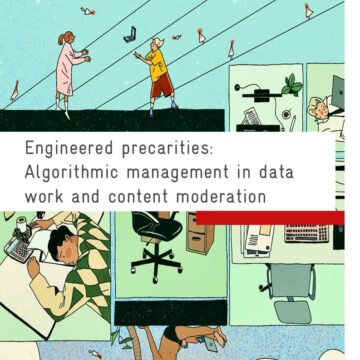
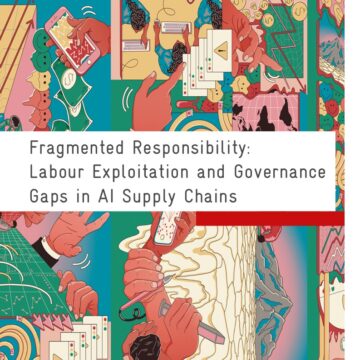
Together, the reports show how global outsourcing models, algorithmic management, and on-the-ground working environments interconnect and affect working conditions in the digital economy. By providing a review of the labour challenges in the Global South, the series identifies potential entry points for stakeholders like governments and international organisations.
The series also outlines policy options and highlights best practices to inform future policy discussions and support initiatives in achieving fairer working conditions for digital workers. Moving forward, policies should be adapted and stakeholders engaged to ensure workers are included and represented as co-creators in digital labour environments like AI value chains.