From Community to Data: Citizen Scientists are Improving Air Quality in India’s Cities
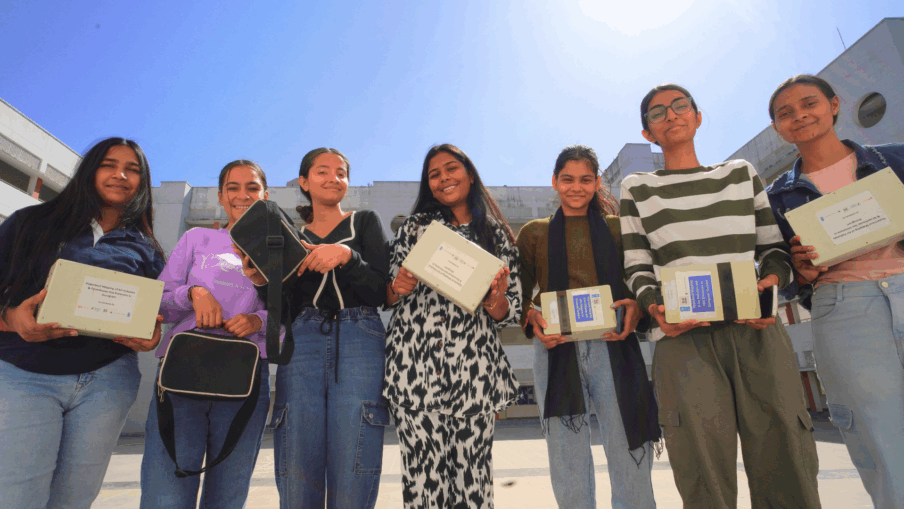
Smog pollution is an everyday reality for many people living in Indian cities, but help is now on the way from civil society: volunteers are using apps and sensors to combat air pollution. The data they collect is used for AI analysis, enabling cities to breathe again.
Imagine stepping outside in the morning and realizing that the air you are breathing could be harmful to your health. In India, this is a daily reality for millions of people, with the cities of Gurugram and Patna among the most affected. To address this problem, the United Nations Development Programme (UNDP) in India, together with the BMZ initiative FAIR Forward – AI for All, launched a new project.
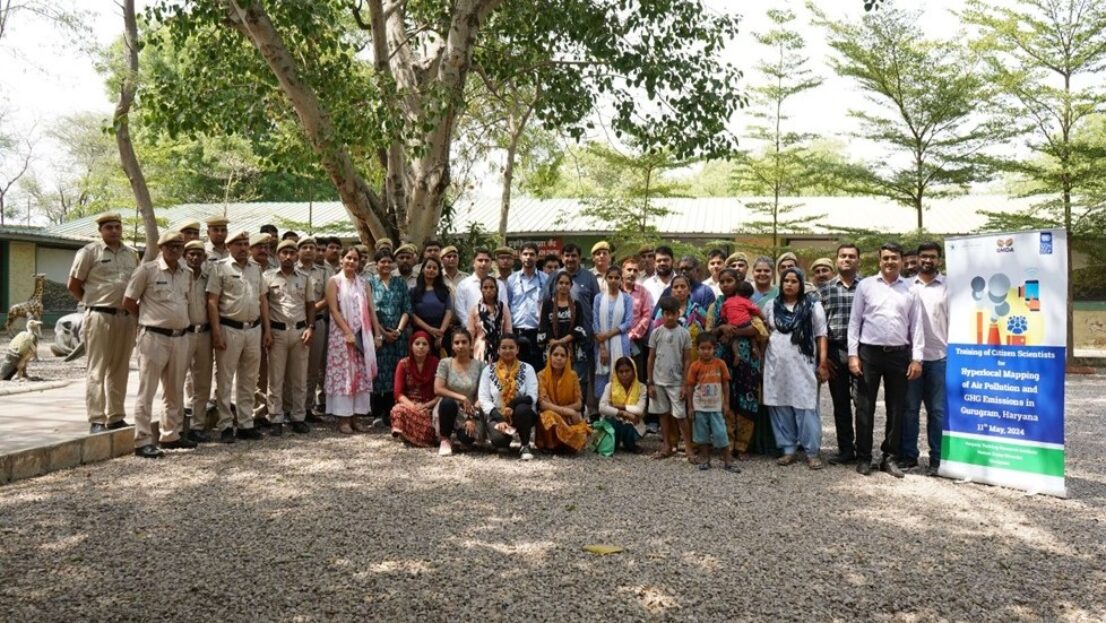
The initiative Hyperlocal Mapping of Air Pollution and GHG Emissions in India combines the potential of artificial intelligence (AI), internet-connected sensors, and citizen science. People and technology work hand in hand to generate real-time, hyperlocal data aimed at improving air quality management. The programme empowers both citizens and policymakers to make data-based decisions for cleaner air.
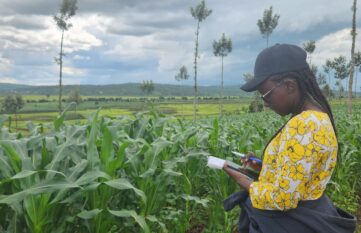
Through this, I’ve become much more aware of my surroundings, the temperature, and the air quality. I’ve started developing empathy for nature.
Sahyogita, student, Gurugram University
Technology meets Citizen Science
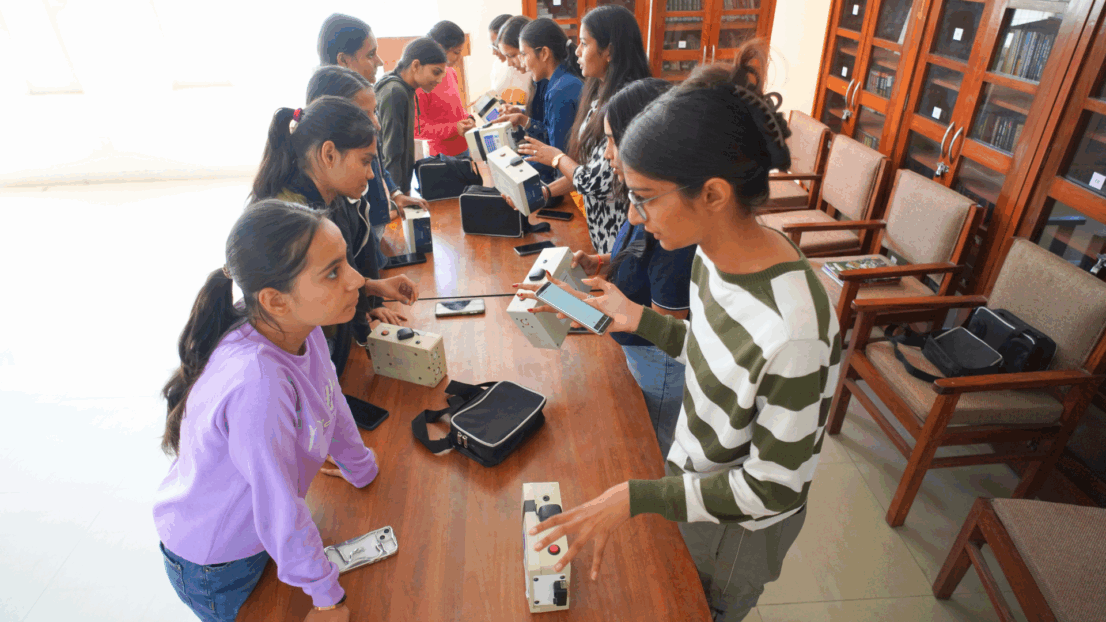
The initiative in Gurugram and Patna serves as a model for how technology and citizen engagement can complement each other. Over the past year, citizen scientists—including students, community volunteers, and residents—have used connected sensors and the Vayu mobile app to collect air quality data, generating over 1 million data points. The sensors allow users to record pollution levels and tag visible sources such as traffic jams, open waste burning, or industrial emissions.
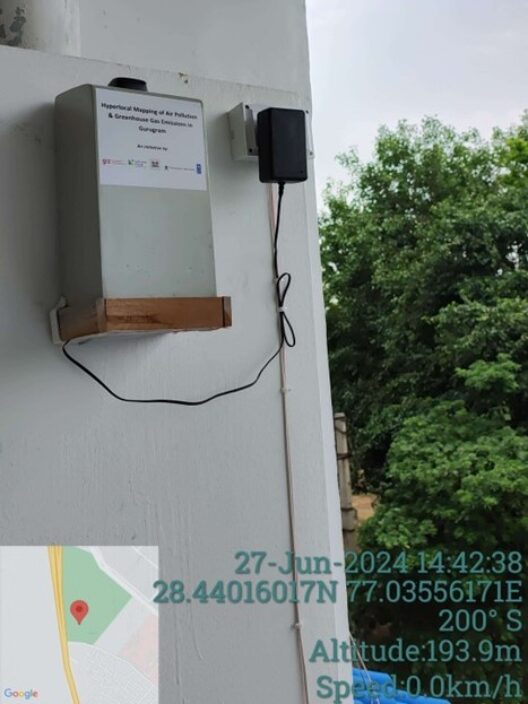
An open online competition called for creative and AI-powered solutions to analyze complex air pollution data in order to map the sources, extent, and distribution of pollution in these heavily polluted cities. Volunteers received support from the relevant authorities in Gurugram and Bihar. The collected data were analysed and visualised on a public dashboard, showing pollution levels, trends, and forecasts in real time.
These hyperlocal data help identify neighborhoods most affected by poor air quality. The results provide local authorities with a basis for targeted measures, such as optimizing traffic routes, monitoring construction dust, and planning green spaces.
Technology driving sustainable change
Advanced sensors, satellite monitoring, and machine learning pinpoint sources of pollution, enabling targeted interventions and forecasts. In line with the Hamburg Declaration on Responsible AI for the SDGs, the initiative demonstrates how technology and collaboration can drive sustainable change—by empowering communities, informing policy decisions, and ensuring cleaner air for all.
Watch the UNDP video to learn more about the project: Link