In northwestern Kenya, about a 15-hour drive from the rapidly growing metropolis of Nairobi, lies Kakuma. Established in the early 1990s by the United Nations refugee agency as a temporary emergency shelter, the camp has evolved over the decades into one of the largest refugee settlements in the world.
Today, it is home to around 300,000 people from a wide range of nationalities, all united by the hope for a better future. Yet for many, the path forward remains blocked. The camp’s remoteness, combined with unclear residency and employment rights, severely limits access to work. In an effort to create opportunities beyond traditional labor markets, the first masterclass for prospective cloud workers was recently organized on site.
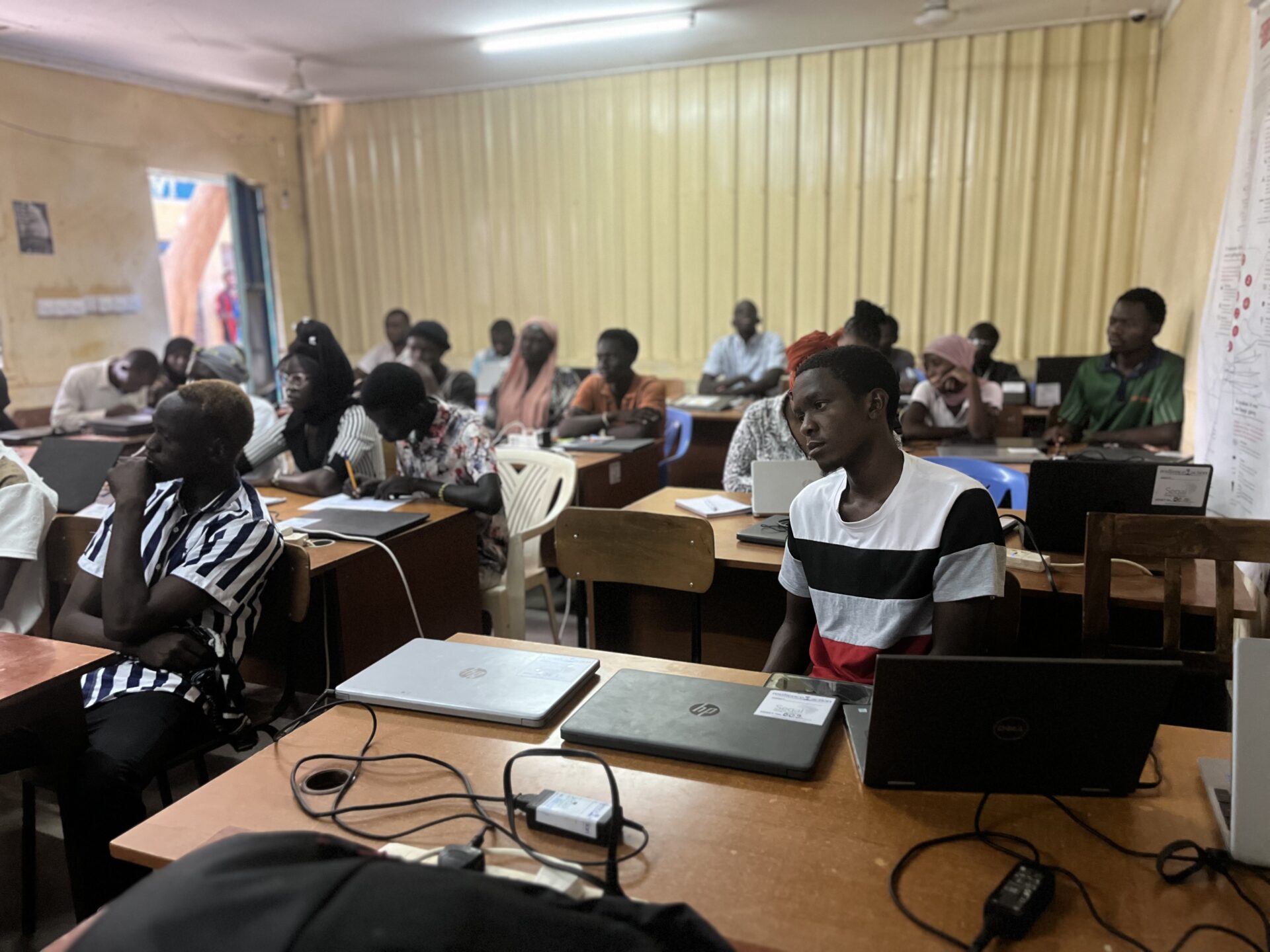
Cloud workers are individuals who earn a living online in fields such as digital marketing, web or graphic design, or data labeling. They typically source their work, known as gigs, through digital platforms and are therefore also considered gig workers. During the masterclass, participants learned how to access short term digital jobs despite their complex legal status, enabling them to generate income.
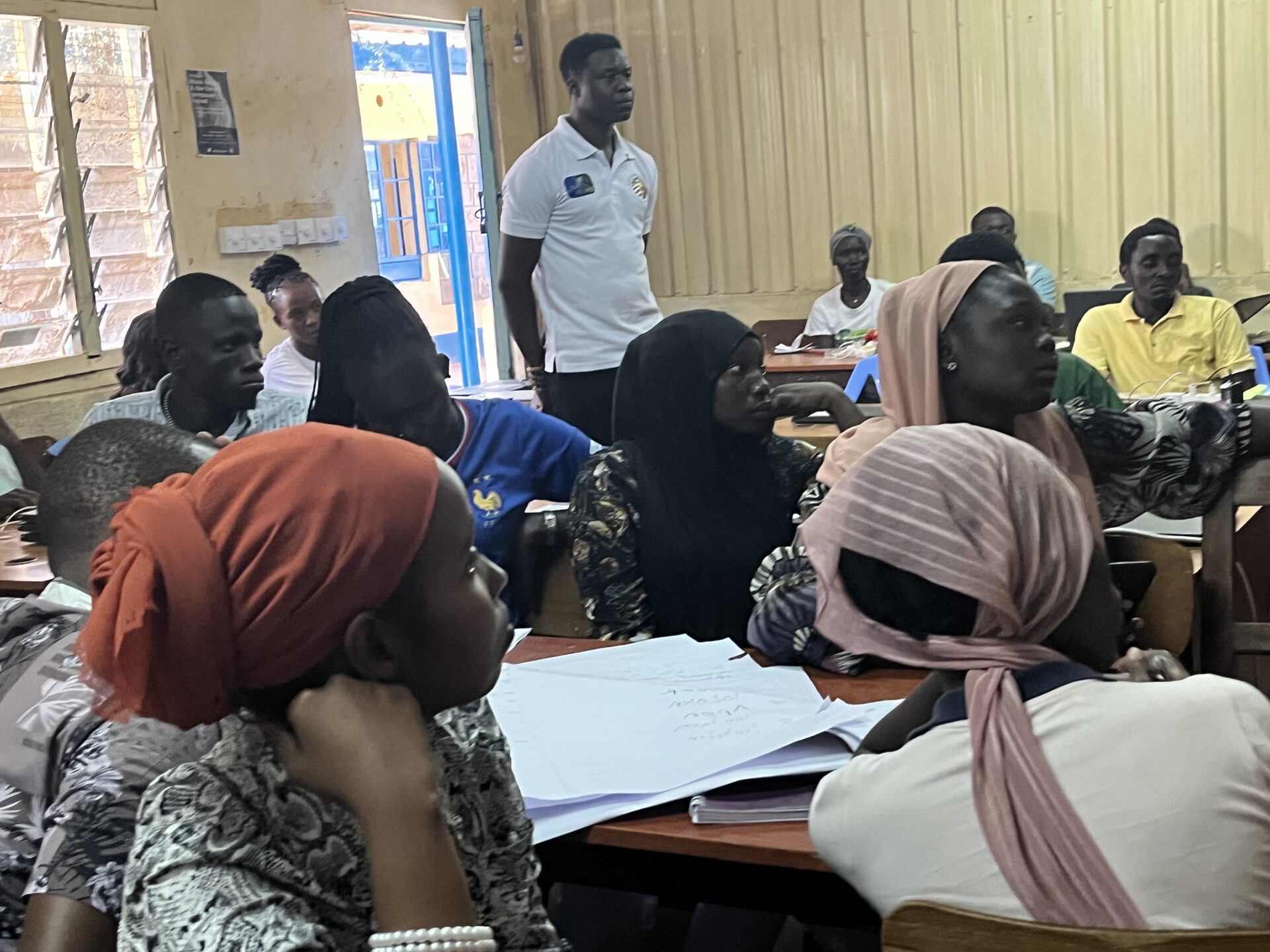
The event took place in mid-February and was organized by the Digital Center Kenya and the global BMZ Gig Economy Initiative. The United Nations High Commissioner for Refugees and the local GIZ cluster for displacement and migration in Kenya facilitated contacts and provided advance briefings on the challenging conditions on the ground.
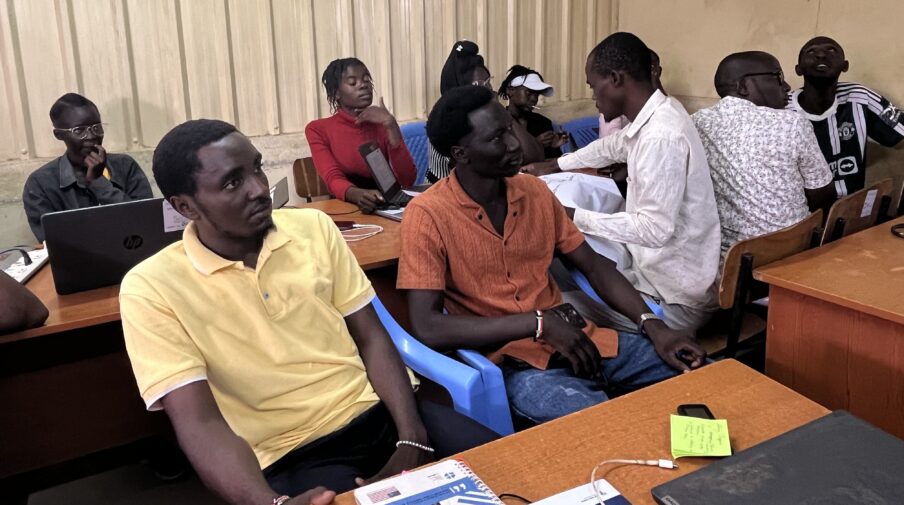
A total of 34 aspiring cloud workers took part in the event. In addition to camp residents, participants also included members of surrounding communities
Integrating them has become standard practice in our work, they too face difficult living conditions and must not be overlooked in initiatives like this.
Musa Tioko, a GIZ expert on refugee issues
Beyond introducing participants to the gig economy, the masterclass aimed to bring people together, encouraging exchange and peer learning. “The world out there may have forgotten us, but the online world has not,” said participant Elizabeth Kolor.
Thanks to initiatives like this, I have been able to take on jobs in the United States and Canada, which in turn allows me to support myself.
James Solomon, Kakuma resident
The masterclass also underscored the pressing need for stronger coordination and policy reform. “The various stakeholders, particularly the private sector and government institutions, must work more closely together. What is needed is a collective approach to consistently integrate refugees into policy debates,” said Wycliffe Barasa, Managing Director of Resilience Action International, the organization operating the Kakuma camp. He added, “The masterclass has shown that refugees are indeed capable of contributing to the gig economy.”
Spreading this message is also a central goal of the Gig Economy Initiative. It has developed a wide range of training and awareness programs aimed at workers, platforms, and policymakers alike.