More than Statistics: Armenia Turns Gender Data into Political Action
In Armenia, a new tool is emerging that brings statistics and policymaking closer together. Its aim is not just to collect gender data, but to make it actionable for political decision-making.
A large share of the work that keeps societies running never appears in official statistics. Globally, women perform around three quarters of unpaid care work. They look after children, act as caregivers for relatives, and manage households. The consequences are dire: less time for education, lower incomes, and limited career opportunities.
In Armenia, too, women carry most of this burden. Yet the full impact of their invisible labour is difficult to measure. Data is often missing or fails to capture reality adequately.
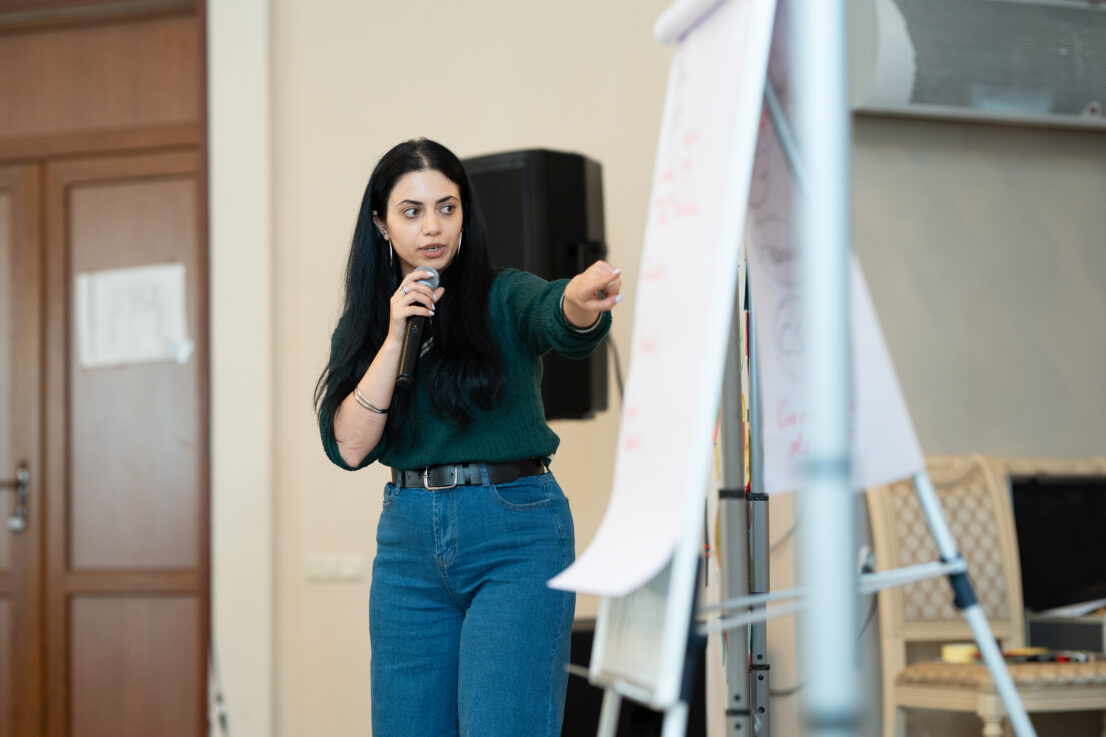
This is where a new project comes in. Supported by the German Federal Ministry for Economic Cooperation and Development, the initiatives FAST and Data2Policy are working with local partners to develop a gender data dashboard. Its goal is not only to make gender data visible, but to translate it into political action. The process itself is just as important as the outcome. Gender equality is embedded from the very beginning
Why data often goes unused
Armenia already collects a wide range of relevant data. However, access is often limited. The planned dashboard aims to bring this information together, present it in a clear and accessible way, and provide a solid basis for evidence-based policymaking.
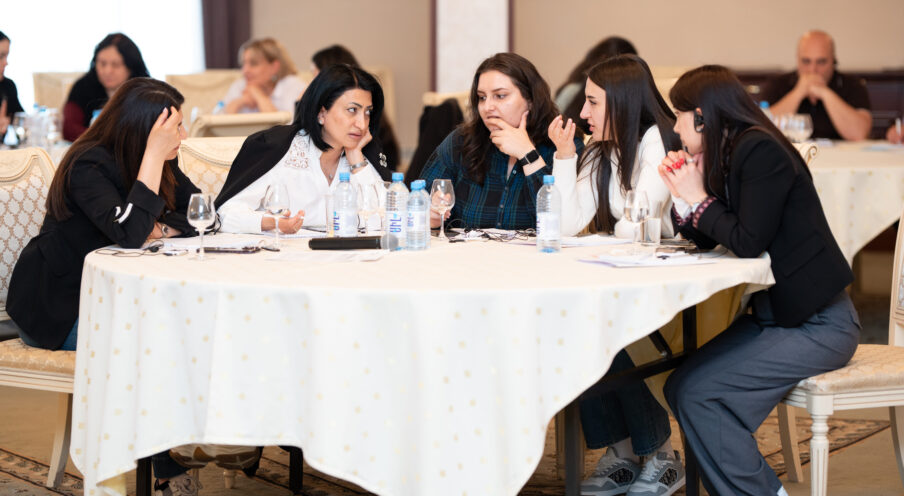
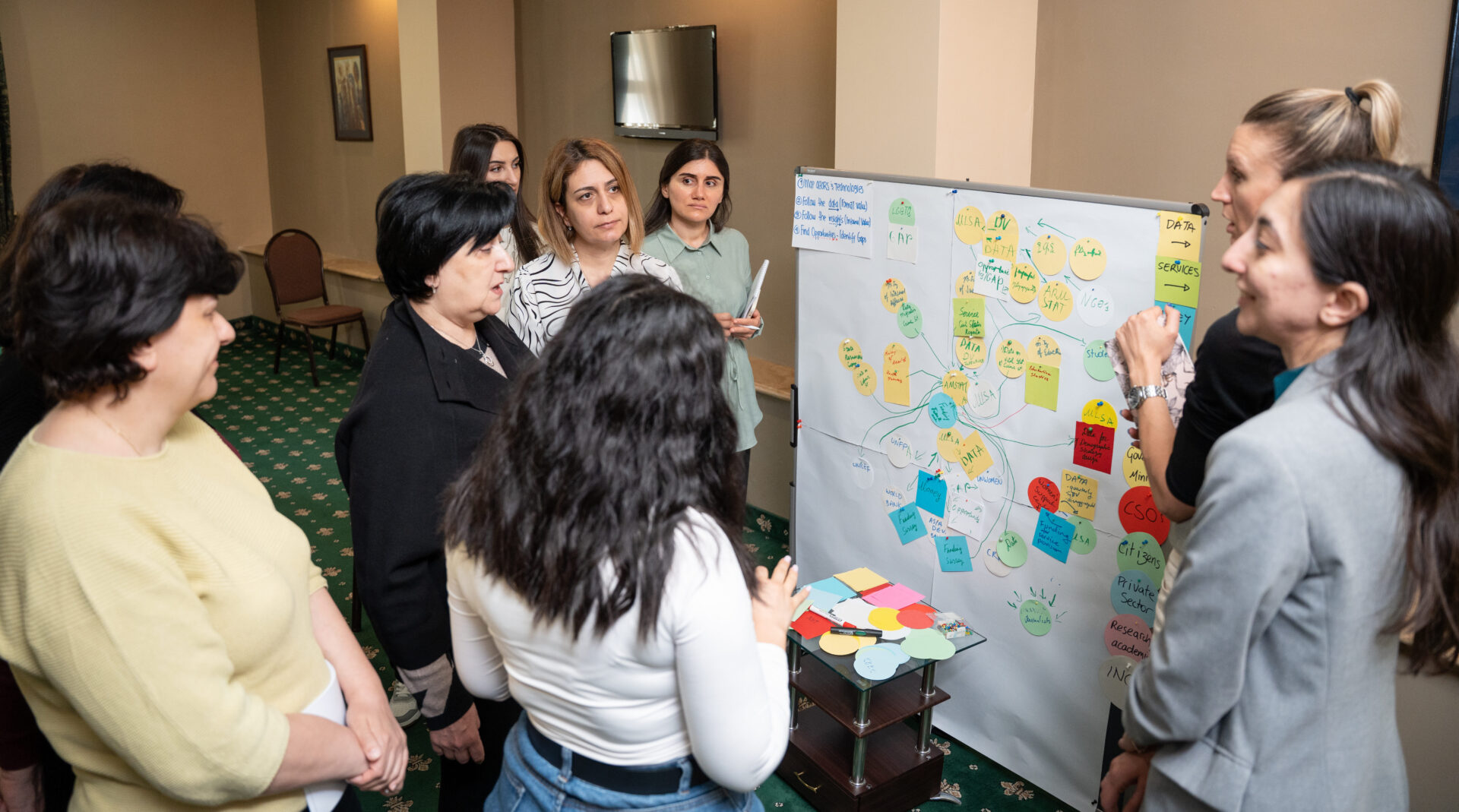
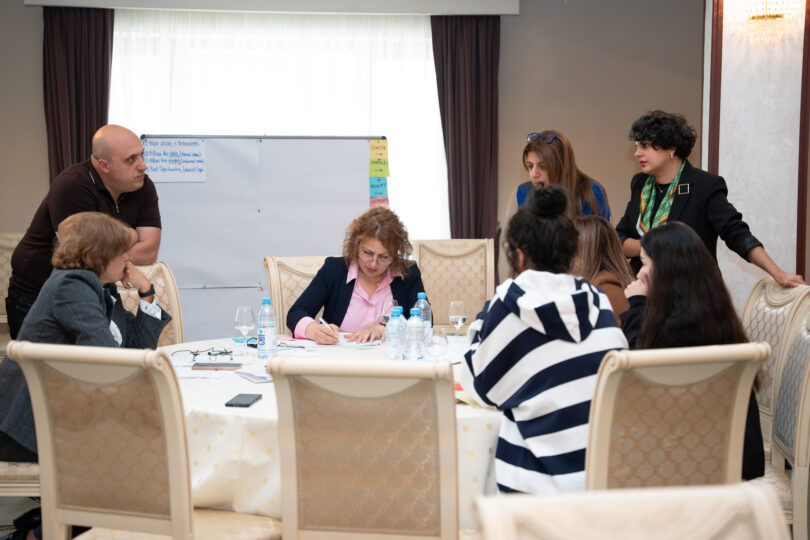
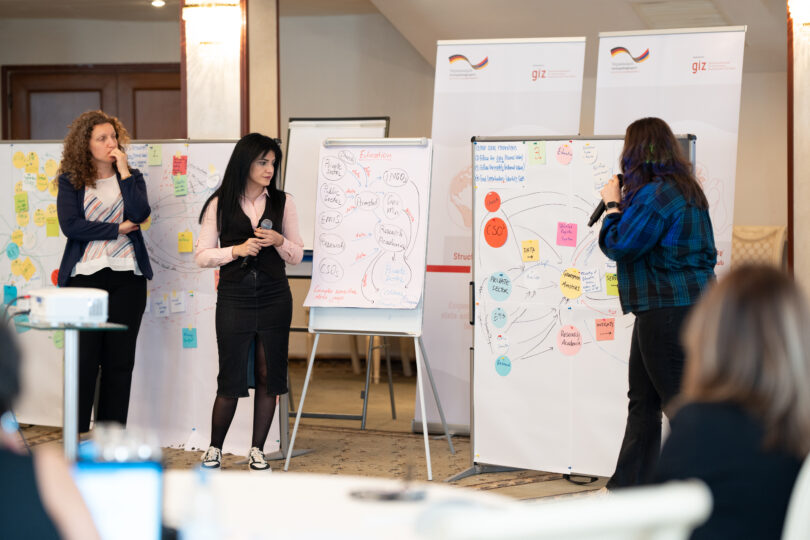
At a workshop in Yerevan, representatives from the national statistical office ARMstat, various ministries, UN agencies, academia, and feminist activists came together. At the center of the discussion was a key question: why is so much existing gender data rarely used in policymaking?
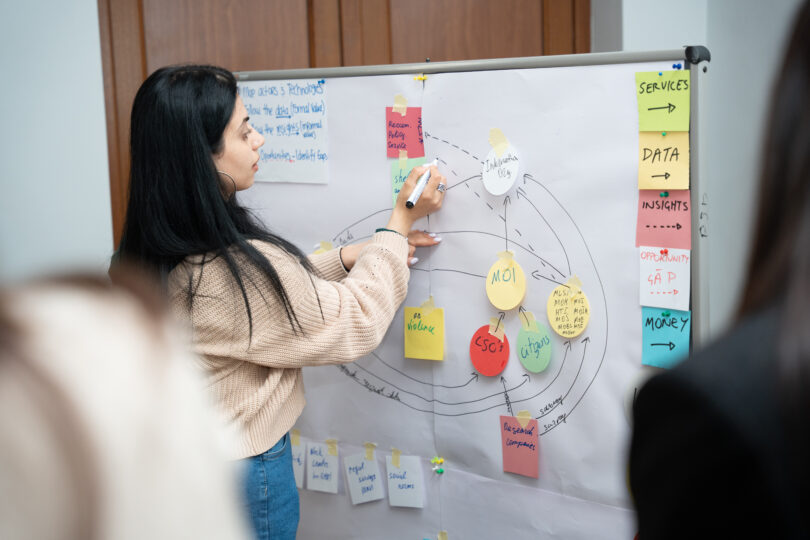
Participants focused on four areas: building a shared understanding of goals, improving the handling of existing data, applying feminist data principles, and strengthening collaboration across institutions.
Collaboration as a catalyst
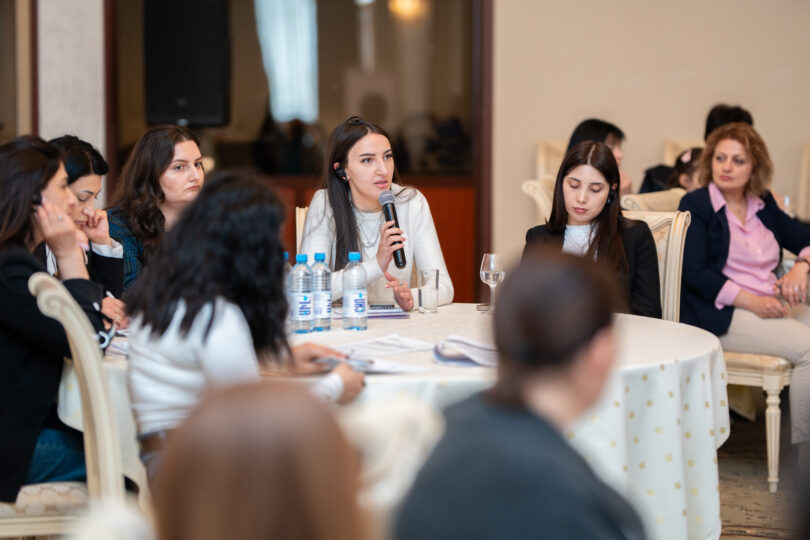
The workshop demonstrated the momentum that emerges when diverse perspectives come together. As one UNICEF staff member put it: “Many attendees will leave this session with a renewed conviction that they identify as feminists”.
As a statistician, I’ve always seen the power of data. But this training has shown me something more—cooperation and collective impact. I’m truly grateful. So much data goes underutilized, and I hope this changes things.
Mrs. Lusine Kalantaryan, Head of the Labour Statistics Division at ARMstat
From idea to implementation
The project is now entering its next phase. FAST and Data2Policy are supporting ARMstat and its partners in the technical and practical implementation of feminist data principles.
 © copyright
What is emerging is more than just a new tool. The dashboard sheds light on lived realities that often remain hidden and highlights the structural causes of inequality.
The approach is clear: when data is collected collaboratively, made accessible, and used strategically, it can shape political decisions. Armenia is showing how this can work.